
Articles - Nad Packaging
Slip Sheets Vs Wooden Pallets: Which Is Better For Your Freight Costs?
![[HERO] Slip Sheets Vs Wooden Pallets: Which Is Better For Your Freight Costs?](https://cdn.marblism.com/_gDppTDgolf.webp)
Let's talk about something that hits every logistics manager right in the budget: freight costs.
If you're shipping products, whether it's across South Africa or overseas, you've probably accepted pallets as a necessary expense. They're sturdy, reliable, and everyone uses them. But here's the thing: what if there was a way to fit 10-15% more product into every single container you ship?
That's where slip sheets enter the conversation. And trust us, it's a conversation worth having.
At NAD Packaging, we manufacture both wooden pallets and slip sheets right here in Pretoria. So we're not here to push one over the other, we're here to help you figure out which option actually makes sense for your freight budget.
Let's break it down.
What Exactly Is a Slip Sheet?
A slip sheet is essentially a thin, flat sheet (usually made from solid fibreboard, kraft paper, or plastic) that replaces the traditional wooden pallet. Your products sit on top of it, and a forklift with a special push-pull attachment slides underneath to move the load.
Think of it as the minimalist cousin of the pallet. No bulky wooden frame. No heavy base eating into your container space. Just a slim, lightweight platform that does the job.
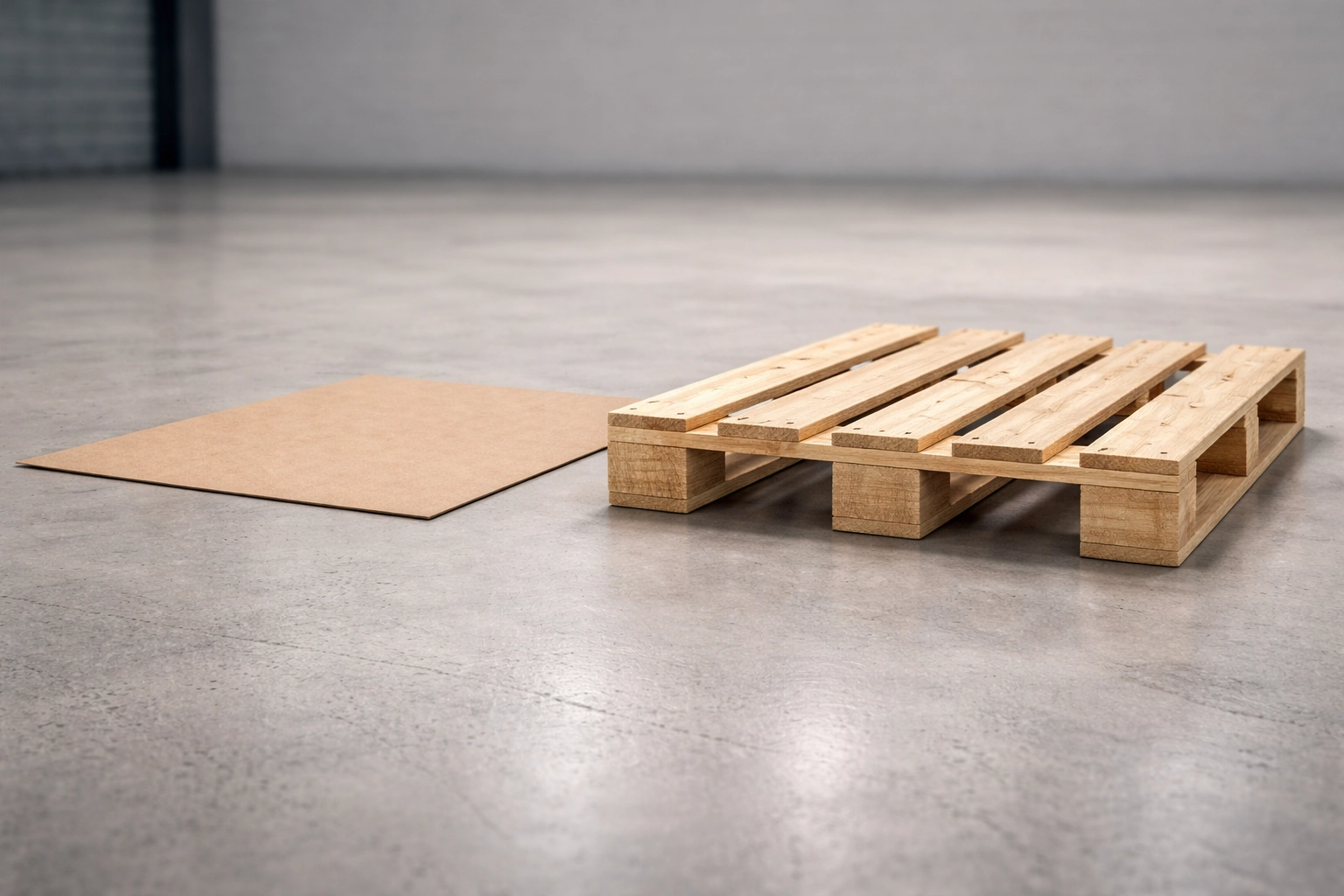
Slip sheets are typically only a few millimetres thick and weigh around 0.5 to 1 kilogram. Compare that to your standard wooden pallet, which tips the scales at 15 to 25 kilograms.
That weight difference? It adds up fast.
The Case for Wooden Pallets
Before we get too excited about slip sheets, let's give wooden pallets their due credit. They've been the backbone of logistics for decades, and for good reason.
Wooden pallets are:
- Incredibly sturdy and can handle heavy, irregular loads
- Compatible with standard forklifts (no special attachments needed)
- Stackable for warehouse storage
- Reusable and repairable
- ISPM15 compliant for international export when heat-treated
If you're moving heavy machinery, irregularly shaped items, or products that need serious structural support, wooden pallets and crates are still your best bet.
We manufacture custom wooden pallets and crates at our facility in Pretoria, designed to meet your exact specifications, whether you're shipping locally or exporting overseas.
The Freight Cost Showdown: Slip Sheets vs Pallets
Now, let's get to the numbers. Because at the end of the day, your freight costs are what matter most.
🏋️ Weight Savings
Here's a simple equation: less weight = lower shipping costs.
A standard wooden pallet weighs between 15-25kg. A slip sheet? Around 0.5-1kg.
When you're shipping by sea or air, where you're charged by weight, that difference is massive. Imagine you're loading 20 pallets into a container. That's potentially 300-500kg of dead weight just from the pallets themselves.
Switch to slip sheets, and that weight drops to around 10-20kg total. The rest of that weight capacity? Now it's filled with actual product you're selling.
📦 Space Efficiency
This is where slip sheets really shine.
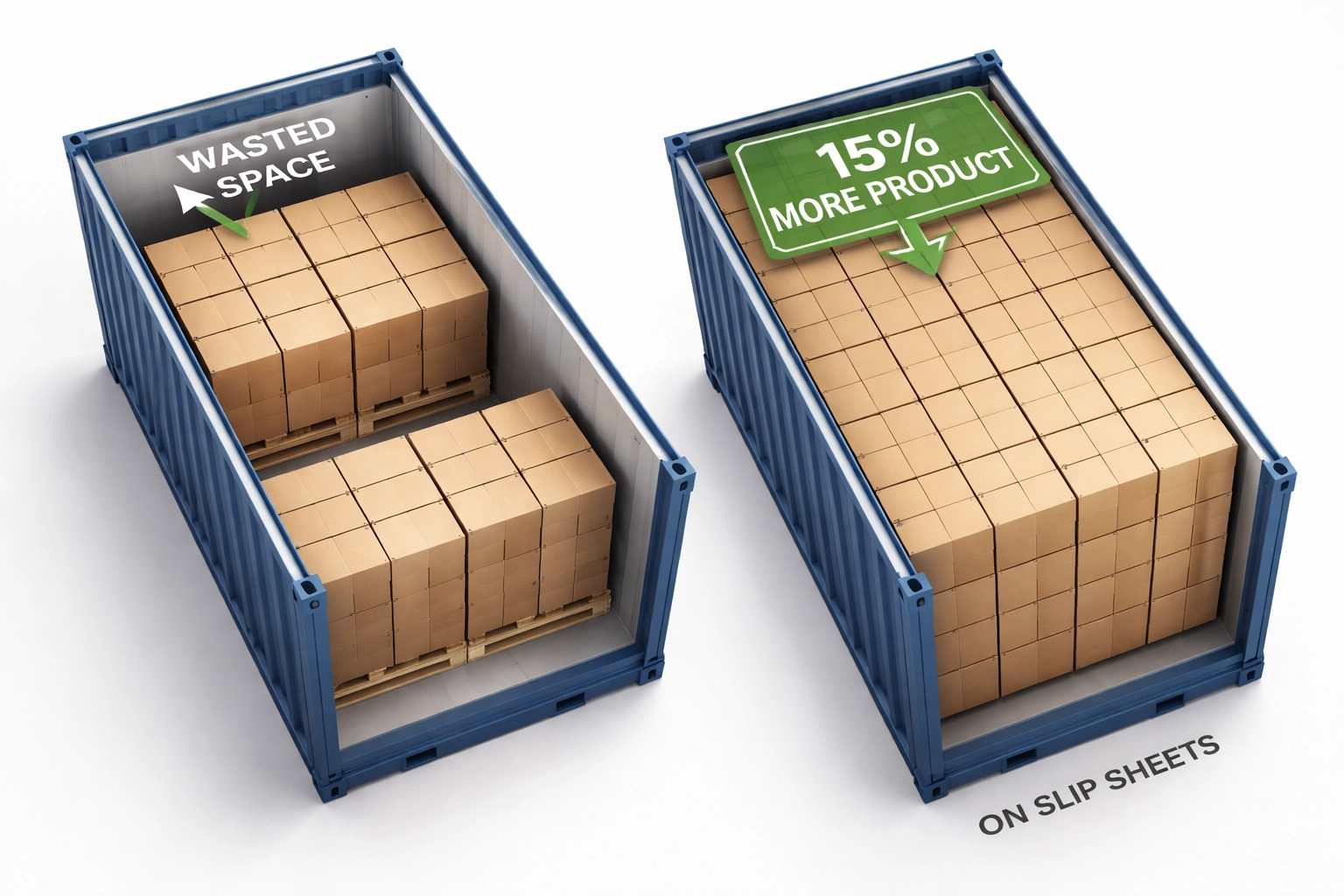
A wooden pallet is typically around 150mm tall. A slip sheet is only a few millimetres thick. Over a full container load, that height difference translates to significant extra space.
Industry data shows that companies switching to slip sheets can increase their container capacity by 10-15%. That's 10-15% more product per shipment, without paying for an additional container.
Let's put that in perspective: if you're shipping 10 containers a month and each one now holds 12% more product, you could potentially reduce your shipments to 9 containers. That's a full container's worth of freight costs saved every single month.
💰 Unit Cost Comparison
Slip sheets are also significantly cheaper to purchase. We're talking six to twelve times less expensive per unit compared to wooden pallets.
Sure, you'll need to invest in push-pull forklift attachments (both at your facility and potentially at your destination), but for high-volume shippers, that initial investment pays for itself quickly.
When Should You Use Slip Sheets?
Slip sheets aren't for everyone. But they're perfect for certain scenarios:
Slip sheets work best when:
- You're shipping high volumes of uniform, stackable products
- Weight-based freight charges are eating into your margins
- You're exporting and want to maximise container space
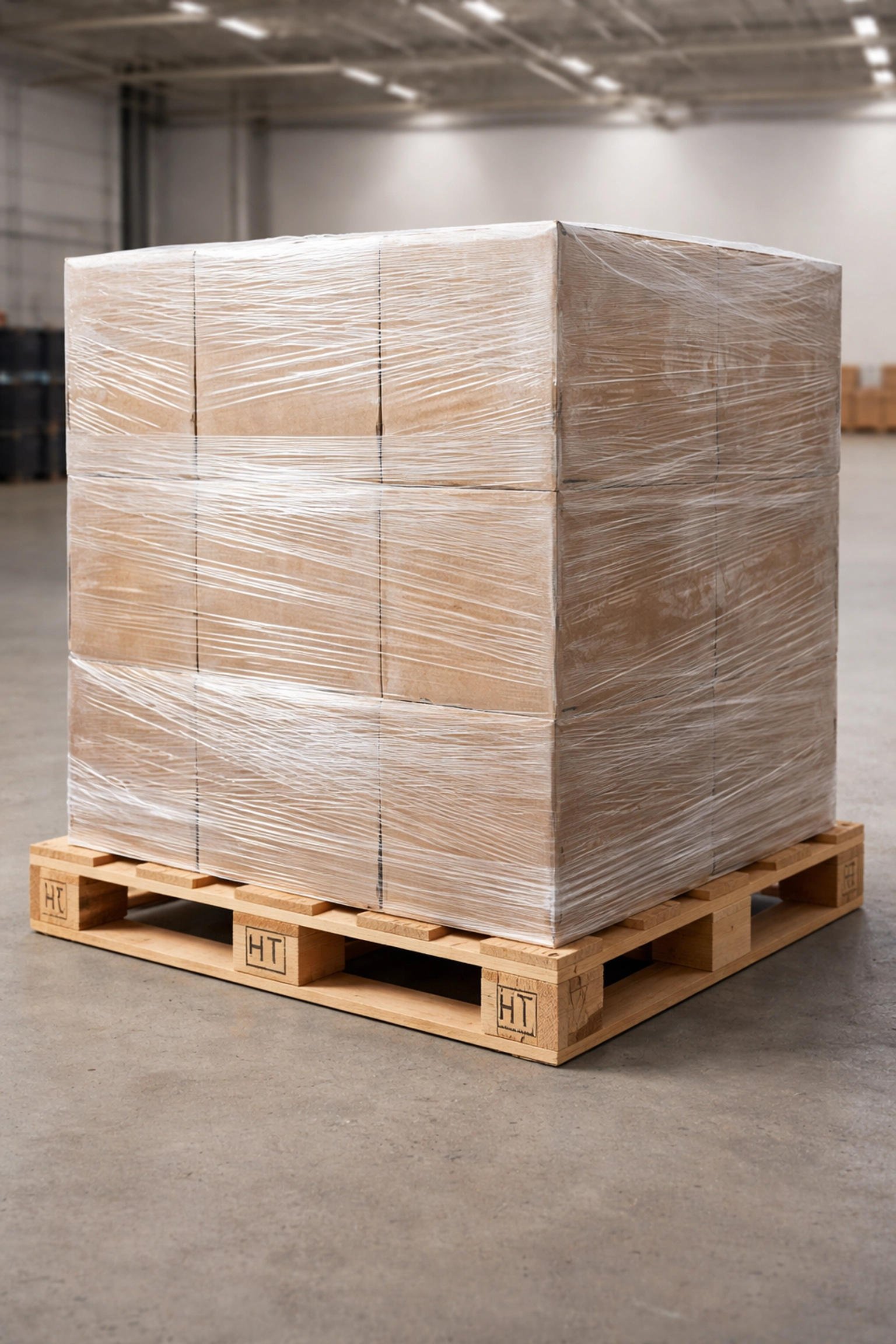
- Your products are palletised in stable, shrink-wrapped unit loads
- Both origin and destination facilities have push-pull equipment
Industries that love slip sheets:
- FMCG and food & beverage
- Paper and printing
- Building materials
- Agricultural products
- Any business doing regular export shipments
If this sounds like your operation, check out our slip sheets page to see what we offer.
When Should You Stick with Wooden Pallets?
Wooden pallets remain the smarter choice in certain situations:
Go with pallets when:
- Your loads are heavy, irregular, or need extra support
- Your receiving facilities don't have push-pull equipment
- You need to stack products in warehouse racking
- You're shipping domestically and weight isn't the primary cost driver
- Your products require ISPM15-certified export pallets
At NAD Packaging, we manufacture custom pallets and crates that meet international phytosanitary standards. Whether you need standard pallets or heavy-duty crates for export, we've got you covered.
The Hybrid Approach: Why Not Both?
Here's something we see more and more: companies using both slip sheets and wooden pallets depending on the shipment.
Domestic deliveries where the receiving warehouse has standard forklifts? Wooden pallets.
High-volume export containers where every kilogram and centimetre counts? Slip sheets.
It's not an either/or decision. It's about choosing the right tool for the job.
NAD Packaging: Your Partner for Both Options
We're not just box makers. At NAD Packaging, we manufacture a full range of industrial packaging solutions: including both slip sheets and wooden pallets: right here in Pretoria.
What we offer:
- Custom-sized slip sheets in various materials
- ISPM15-compliant wooden pallets and crates
- Corrugated boxes and box-on-pallet solutions
- Nationwide delivery across South Africa
We've been in this industry for years, and we understand that every business has different needs. That's why we don't push one-size-fits-all solutions. We work with you to figure out what actually makes sense for your products, your routes, and your budget.
The Bottom Line
If you're looking to cut freight costs, slip sheets are worth serious consideration. The weight savings, space efficiency, and lower unit costs can add up to significant savings: especially for high-volume export shipments.
But wooden pallets aren't going anywhere. They're still the best choice for heavy loads, domestic logistics, and situations where durability and compatibility matter most.
The real question isn't "which is better?" It's "which is better for your specific operation?"
And that's a conversation we'd love to have with you.
Ready to Optimise Your Freight Costs?
Whether you're curious about slip sheets or need custom wooden pallets for your next shipment, we're here to help.
Get in touch with NAD Packaging today:
- 🌐 Visit us at www.nadpackaging.co.za
- 📞 Contact our team for a quote
- 📍 Manufactured in Pretoria, delivered nationwide
Let's find the packaging solution that works for your freight budget. Because every kilogram: and every rand( counts.)

