
Articles - Nad Packaging
The Exporter's Guide to ISPM15-Compliant Packaging in South Africa
![[HERO] The Exporter's Guide to ISPM15-Compliant Packaging in South Africa](https://cdn.marblism.com/BpBTjVjnpqX.webp)
Your shipment is packed. The paperwork is done. The truck is loaded. And then customs rejects everything at the port because your wooden pallets aren't ISPM15-compliant.
Sound like a nightmare? It happens more often than you'd think.
If you're exporting goods from South Africa, understanding ISPM15 compliance isn't optional: it's absolutely critical. One oversight can result in costly delays, rejected shipments, and a serious dent in your reputation with international buyers. If you need a local partner that understands export compliance and industrial packaging requirements, start at https://www.nadpackaging.co.za.
This guide breaks down everything you need to know about ISPM15-compliant packaging, why it matters, and how to ensure your exports sail through customs without a hitch.
What Is ISPM15 and Why Should You Care?
ISPM15 stands for International Standards for Phytosanitary Measures No. 15. It's a global regulation designed to prevent the spread of pests and diseases through solid wood packaging materials used in international trade.
Think about it: untreated wood can harbour insects, fungi, and other organisms that could devastate ecosystems in the destination country. ISPM15 ensures that all wooden packaging: pallets, crates, dunnage: has been properly treated to eliminate these risks.
South Africa has enforced ISPM15 standards since March 1, 2005. If you're searching for packaging boxes suppliers or box manufacturing near me, you need a partner who understands these regulations inside and out.
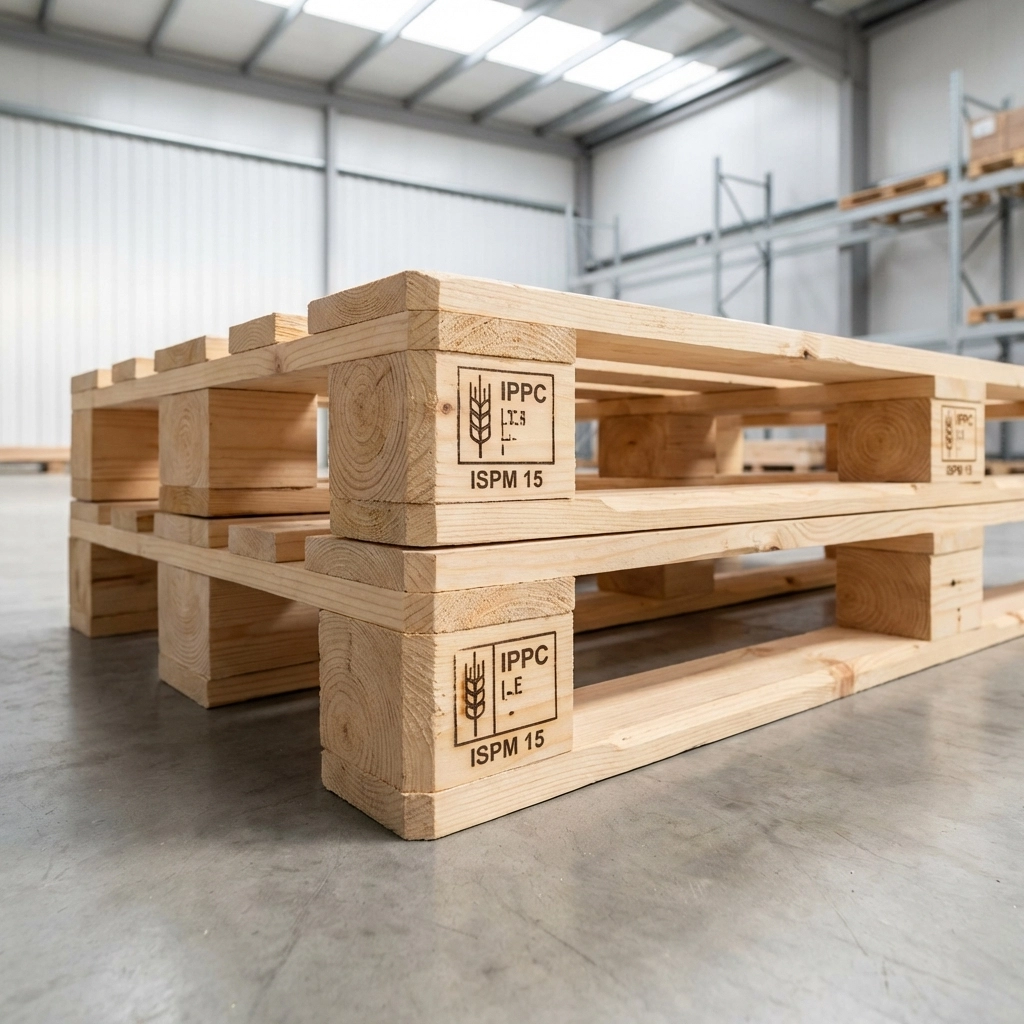
What Materials Does ISPM15 Cover?
Not all packaging falls under ISPM15. Here's the breakdown:
ISPM15 applies to:
- Solid wood packaging made from raw wood (both softwood and hardwood)
- Wooden pallets
- Wooden crates and boxes
- Dunnage (loose wood used to secure cargo)
ISPM15 does NOT apply to:
- Plywood
- Particle board
- Oriented strand board (OSB)
- Medium-density fiberboard (MDF)
- Processed wood materials created using glue, heat, or pressure
- Thin wood materials (6mm or less in thickness)
This is why many exporters are turning to corrugated boxes and cardboard crates as alternatives. They're exempt from ISPM15, recyclable, and often more cost-effective for certain applications. We also supply corrugated sheets for layering, stabilising, and protecting loads in transit.
The Treatment Requirements: What Your Wood Must Go Through
For your wooden packaging to be ISPM15-compliant, it must undergo one of these approved treatment methods. If you're comparing options (wood vs. board vs. lightweight alternatives), our product range is laid out at https://www.nadpackaging.co.za:
🔥 Heat Treatment (HT)
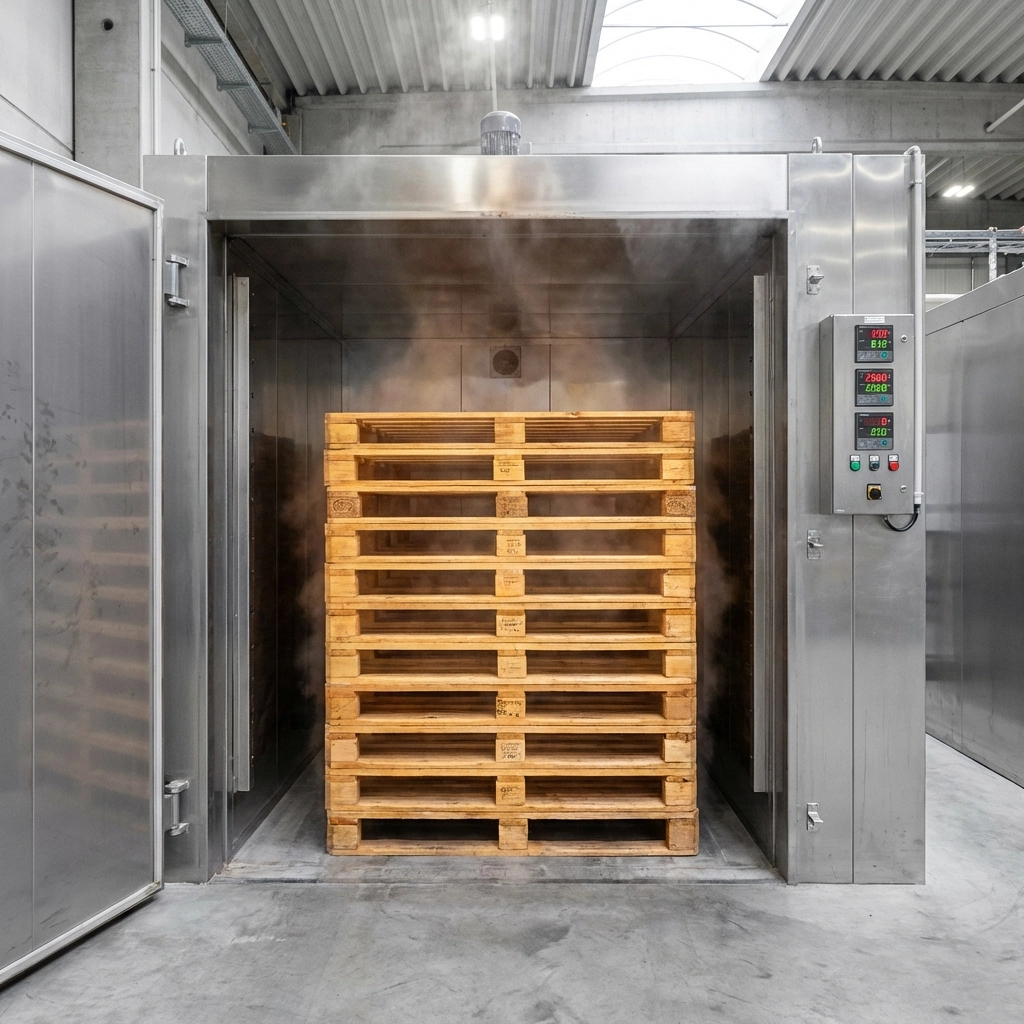
This is the most common method used in South Africa. The wood core must reach a minimum temperature of 56°C for at least 30 minutes. The surrounding atmosphere must be at least 10°C, with a minimum exposure time of 24 hours.
Heat treatment is effective, environmentally friendly, and widely accepted across all importing countries.
💨 Methyl Bromide Fumigation (MB)
This chemical treatment is an alternative, but here's the catch: South Africa does not accept methyl bromide fumigation for softwood (coniferous) packaging materials. Many countries are phasing out this method entirely due to environmental concerns.
Our recommendation? Stick with heat-treated packaging. It's cleaner, greener, and universally accepted.
The IPPC Mark: Your Passport Through Customs
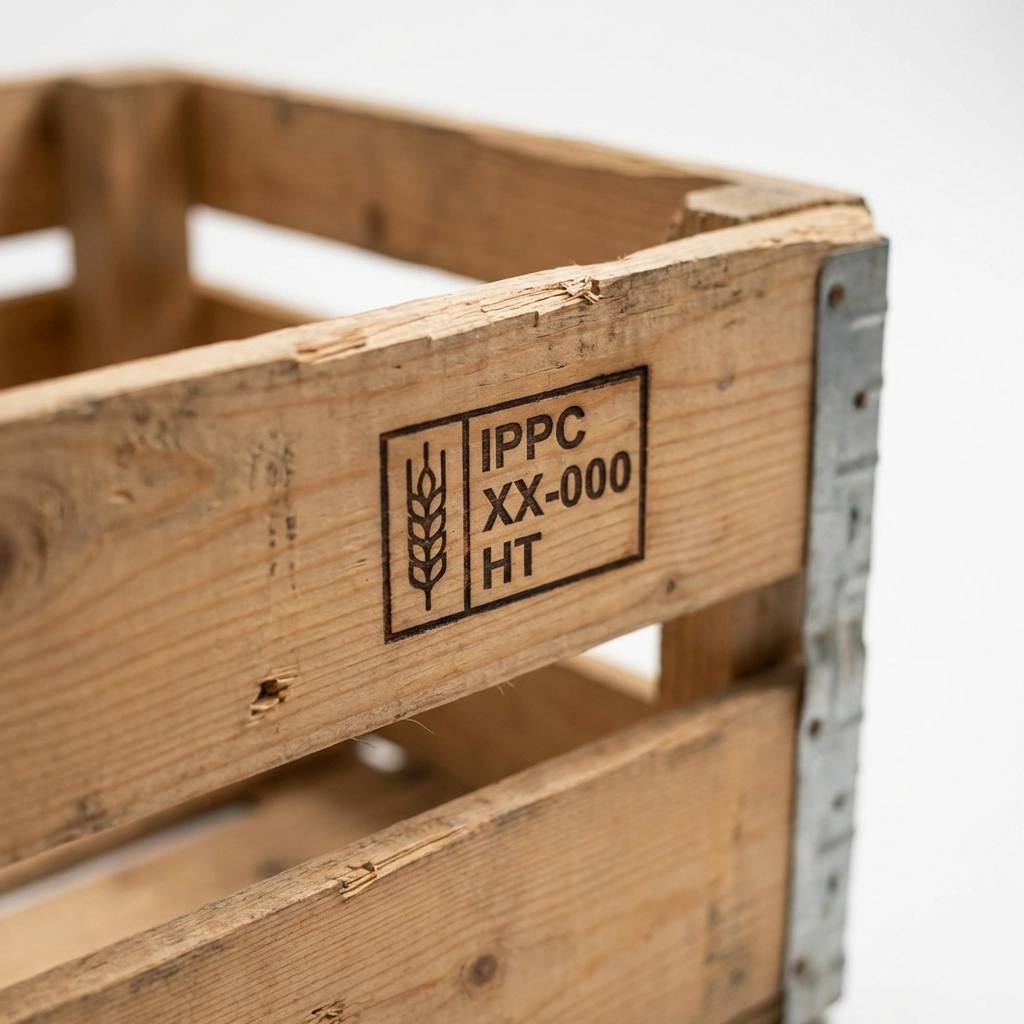
Once your wood packaging has been treated, it must display the official IPPC (International Plant Protection Convention) mark. This stamp is your proof of compliance: and customs officials will be looking for it.
The IPPC mark must include:
- The IPPC symbol
- Country code (ZA for South Africa) followed by a unique number
- Producer/treatment provider code
- Treatment abbreviation (HT for heat treatment, MB for methyl bromide)
Mark requirements:
- Must be legible, permanent, and non-transferable
- Placed in a visible location on at least two opposite sides of the packaging
- Rectangular or square in shape with border lines
No mark? No entry. It's that simple.
What Happens If You're Not Compliant?
Let's be blunt: non-compliance is expensive.
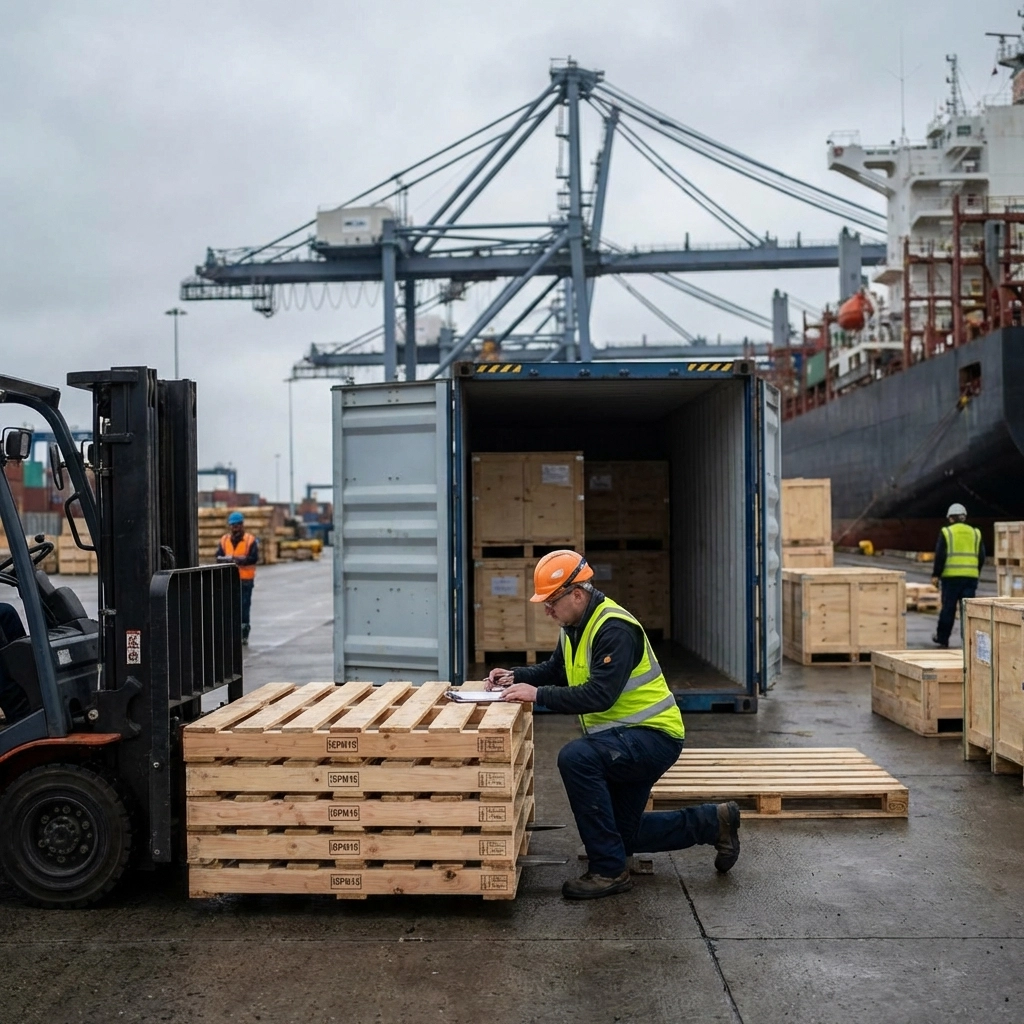
If your wood packaging arrives at a foreign port without the proper ISPM15 markings: or shows signs of pest infestation: the importing country can:
- Order immediate treatment at your expense
- Require disposal of the packaging materials
- Refuse entry to the entire shipment
And here's the kicker: you, as the shipper, are liable for all associated costs. That includes storage fees, re-embarkation charges, treatment costs, and potential penalties.
One non-compliant pallet can derail an entire export operation. Is that a risk worth taking?
Repairs and Reuse: The Hidden Compliance Trap
Many exporters don't realise that repairing wooden packaging can void your ISPM15 compliance.
Here's the rule: you cannot mix treated and untreated materials when repairing pallets or crates. If you use new heat-treated wood to fix an existing IPPC-stamped pallet, that pallet is no longer compliant.
The solution? Any repaired packaging must have existing IPPC marks removed and be re-treated and re-stamped by a certified facility.
At NAD Packaging, we handle this properly from the start: so you never have to worry about repair-related compliance issues. If you need export-ready wood packaging, see our wooden pallets and wooden crates.
Why Partner With an ISPM15-Certified Supplier?
When you're searching for box manufacturing near me or reliable packaging boxes suppliers, certification should be at the top of your checklist.
Here's what an ISPM15-certified supplier like NAD Packaging brings to the table:
✅ Guaranteed compliance on all wooden pallets and crates
✅ Proper IPPC marking that meets international standards
✅ Expert guidance on which packaging materials are right for your exports
✅ Documentation support to keep your shipments moving smoothly
✅ Alternative solutions like corrugated boxes and slip sheets that bypass ISPM15 requirements entirely
We've been in the industrial packaging business for nearly 20 years. We know the regulations, we know the pitfalls, and we know how to keep your exports on track. If your goal is to cut weight and handling time, our slip sheets are a proven, freight-friendly alternative for many export lanes.
Smart Alternatives: When You Don't Need Wood at All
Here's a thought: what if you could avoid ISPM15 headaches altogether?
For many applications, cardboard crates and corrugated packaging offer a compelling alternative to traditional wooden packaging. They're:
- Exempt from ISPM15 (no treatment or marking required)
- Lighter (reducing freight costs)
- Recyclable (appealing to eco-conscious buyers)
- Fully customisable to your product specifications
We manufacture a full range of cardboard crates that deliver serious protection without the compliance complexity. For the right products and destinations, they're a smart, sustainable choice. For heavy, export-bound loads, we also build cardboard crates on pallets for easier warehouse handling and bulk shipping.
Your Compliance Checklist Before Shipping
Before your next export leaves the warehouse, run through this quick checklist:
- All wooden packaging is made from properly treated wood
- IPPC marks are visible on at least two opposite sides
- Marks include country code (ZA), producer code, and treatment code (HT)
- No mixing of treated and untreated materials in repairs
- Documentation matches the packaging materials used
- You've confirmed destination country requirements (some have additional rules)
When in doubt, ask your packaging supplier. A quick conversation now can save you thousands later.
Ready to Export With Confidence?
ISPM15 compliance doesn't have to be complicated: not when you have the right partner.
At NAD Packaging, we supply ISPM15-certified wooden pallets and crates, along with compliant-free alternatives like corrugated boxes and cardboard crates. Based in Rosslyn, Pretoria, we serve exporters across Gauteng and throughout South Africa.
📣 Don't let non-compliance derail your next shipment. Contact our team today to discuss your export packaging requirements and get a quote.
Your goods deserve to arrive safely: and on time.
Find NAD Packaging online at https://www.nadpackaging.co.za.
#ISPM15 #ExportPackaging #NADPackaging #ComplianceMatters #WoodenPallets #SouthAfricanExporters #IndustrialPackaging #PackagingSolutions

